|
|
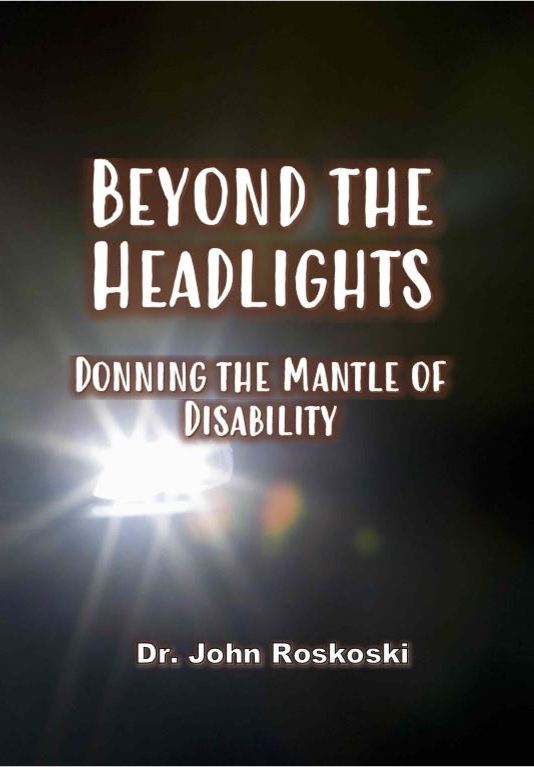
Beyond the Headlights:
Donning the Mantle of Disability. Dr.
John Roskoski.
218 Pages.
ISBN:
979-8773882725
This work is a
personal testimony of John’s journey through the difficult and long
recovery from a devastating vehicular accident. John shares much of the
emotion that he experienced as he describes the sequence of grief and
acceptance that is part of such a life-changing event, and the power of
his faith in God to bring him through..
(AJBT).
Kindle: $5.70
from Amazon.com
Paperback:
$12.79 from Amazon.com.
Free Preview.
|
|
|
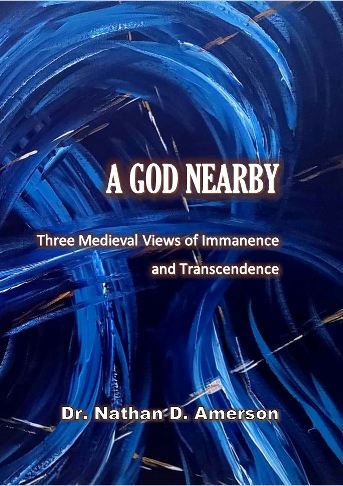
A God Nearby:
Three Medieval Views of Immanence and Transcendence. Dr.
Nathan D. Amerson.
424 Pages. ISBN:
9798739872753
This work
explores the writings of three great medieval theologians, all doctors
of the church, and all enormously influential not only within their time
but for centuries to come. Anselm of Canterbury, Bernard of Clairvaux,
and Thomas Aquinas all held positions of significant sway within their
monastic circles and their writings have continued to be points of
reference, both for Catholic and Protestant theologians to this day.
Simultaneously, a development of the twin themes of God’s attributes of
transcendence and immanence is an appropriate starting point not just
for theology proper but for theology in general, and these three writers
each contributed to an orthodox position which keeps a balanced position
of these attributes in mind.
(AJBT).
Kindle: $5.70
from Amazon.com
Paperback:
$12.79 from Amazon.com.
Free Preview.
|
|
|
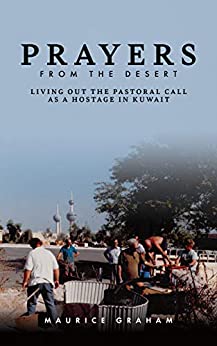
Prayers from
the Desert: Living Out the Pastroral Call as a Hostage in Kuwait. Dr.
Maurice Graham.
424 Pages. ASIN:
B08F4FWV76
On August 2,
1990, Saddam Hussein’s Iraqi troops invaded Kuwait. At the time they
were the fourth biggest army in the world and Hussein had just been
named by U.S. News & World Report as “the most dangerous man in the
world.” Maurice Graham had just moved his family to Kuwait to serve as
the English pastor of the National Evangelical Church of Kuwait. Just
three months into their arrival Iraq invaded. Graham spent the next four
months as a hostage trying to protect his family and fulfill his
pastoral calling in the midst of this crisis. His story is proof that
God is still in the business of doing miracles and changing the hearts
of even the world’s most evil leaders.
(AJBT).
Kindle: $2.99
from Amazon.com
Paperback:
$9.99 from Amazon.com.
Free Preview.
|
|
|
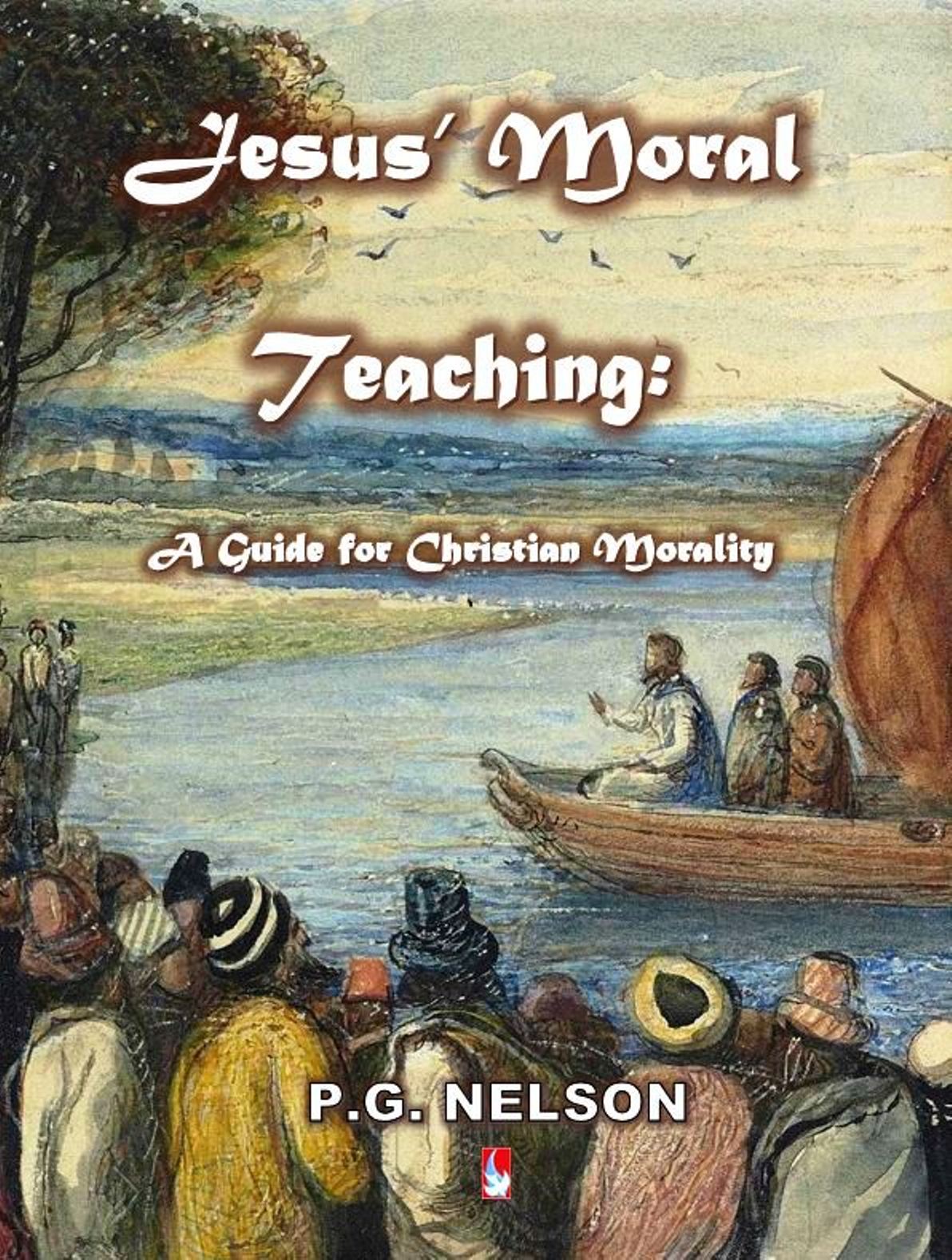
Jesus' Moral
Teaching: A Guide to Christian Morality. P.G. Nelson.
415 Pages. ISBN:
979-8569068067.
There is a great deal of confusion about Christian morality today. While
all Christians agree about the rightness or wrongness of some actions,
they disagree about the morality of others. This greatly weakens the
Church and its witness to the world.In this little book, the author
re-examines Jesus’ teaching with a view to resolving this problem. He
begins by outlining Jesus’ approach to moral questions and then
considers what he taught on specific issues, namely money and
possessions, marriage and divorce, and sexual morality. His aim is to
present Jesus’ teaching as accurately and coherently as possible and to
help Christians to know how to live their own lives and to witness more
clearly to the world.The author is a scientist, writer, and lay preacher
in East Yorkshire. His other books include Making Sense of Romans
(Thankful Books), Biblical Light on Contemporary Issues (AJBT), and God
and the Universe (AJBT).
Kindle: $5.79 from Amazon.com
Paperback:
$9.99 from Amazon.com.
Free Preview.
|
|
|
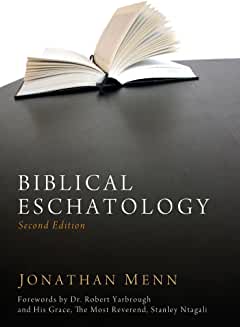
Biblical Eschatology .
Jonathan Menn.
415 Pages. ISBN:
979-8569068067.
Biblical Eschatology provides what is not found in any other single
volume on eschatology: it analyzes all the major eschatological passages
(including the Olivet Discourse and the book of Revelation), issues
(including the second coming of Christ, the millennium, the rapture, and
Antichrist), and positions (including all the major views of the
millennium) in a clear, but not superficial, way. The book concludes
with a chapter showing how eschatology is relevant for our lives.
Biblical Eschatology makes understanding eschatology easier by including
chapters on how to interpret prophecy and apocalyptic literature, by
showing the history of eschatological thought, and by placing
eschatology in the context of the Bible's overall story line and
structure. Clarity and understanding are enhanced by the use of
comparative tables and appendices. Subject and Scripture indexes are
included. The book interacts with the best of Evangelical and Reformed
scholarship, and the extensive bibliography (which includes the web
addresses of many online resources) provides an excellent source for the
reader's further study. This is a perfect resource for intelligent
Christians, including pastors, students, and teachers, who desire to
understand eschatology and to see how it fits together with the rest of
the Bible.
Kindle: $9.99 from Amazon.com
Paperback:
$48.09 from Amazon.com.
Free Preview.
|
|
|
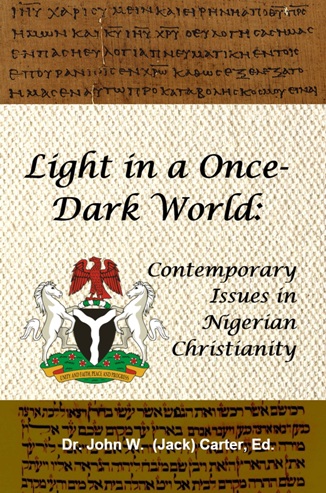
Light in a Once-Dark World: Contemporary Issues in
Nigerian Christianity, Volume 3. Dr. John W. (Jack) Carter, Editor.
415 Pages. ISBN:
979-8569068067.
Once considered by global Christianity as the “Dark Continent”, Africa has seen
dramatic growth in the Christian faith among its many people groups. However,
this growth has come with no few challenges as the truths of the Gospel of God’s
grace and love for His people face a diversity of pagan and tribal cultures with
well-established systems of belief. The contributors to this book each provide
insight into these challenges as they address a wide variety of social issues
that are impacting the efforts by faithful believers to bring the Good News to
people who are seeking peace midst a great deal of social turmoil. Much of the
work of African Christian evangelism is taking place in Nigeria, and the
pastors, theologians, and seminary students who have been selected for this text
offer their experience and knowledge with the intention of addressing many of
the issues facing the Nigerian Christian Churches. Paperback: $15.99 from Amazon.com
Kindle:
$5.79 from Amazon.com.
Free Preview.
|
|
|
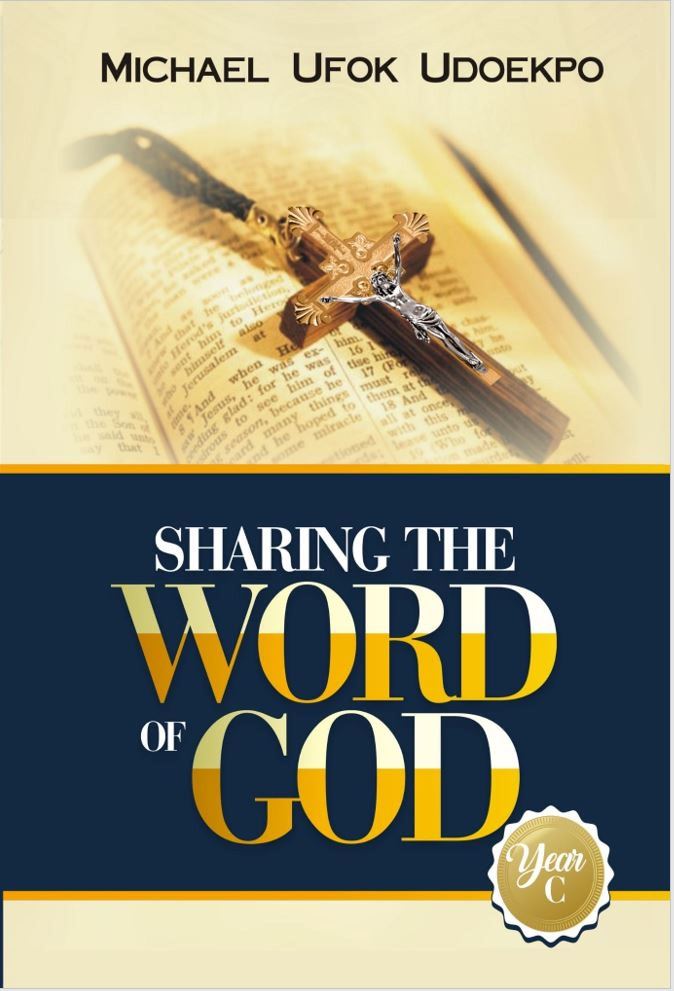
Sharing the Word of God, Year C. Michael
Ufok Udoekpo. 445 Pages. ISBN:
979-8674197003.
This three-volume compendium of homilies
covers with expertise and deep spirituality not only the three-year Sunday
Cycle scripture readings, select feasts, memorials, and solemnities, but
also some weekday readings of the church’s liturgical cycles (ABC). It is
faith-based, pastorally inspired, and biblically intended for everyone, and
for all peoples of all times and culture. The reflection questions offered
at the end of the readings each day further invite readers in their diverse
cultural settings and walks of life to reflect on, deepen and internalize
their understanding of the scripture passages read and apply them to life,
since God’s word speaks differently, yet consistently, in different contexts.
Paperback:
$16.99 from Amazon.com.
Free Preview. Kindle:
$5.75
|
|
|
Sharing the Word of God, Year B. Michael
Ufok Udoekpo. 416 Pages. ISBN:
979-8674197003.
This three-volume compendium of homilies
covers with expertise and deep spirituality not only the three-year Sunday
Cycle scripture readings, select feasts, memorials, and solemnities, but
also some weekday readings of the church’s liturgical cycles (ABC). It is
faith-based, pastorally inspired, and biblically intended for everyone, and
for all peoples of all times and culture. The reflection questions offered
at the end of the readings each day further invite readers in their diverse
cultural settings and walks of life to reflect on, deepen and internalize
their understanding of the scripture passages read and apply them to life,
since God’s word speaks differently, yet consistently, in different contexts.
Paperback:
$16.49 from Amazon.com.
Free Preview. Kindle:
$5.75
|
|
|
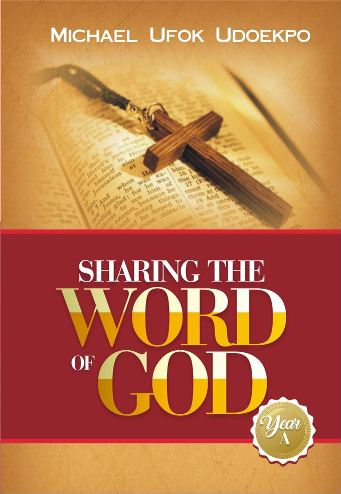
Sharing the Word of God, Year A. Michael Ufok
Udoekpo.
443 Pages. ISBN: 979-8672778242.
This three-volume compendium of homilies
covers with expertise and deep spirituality not only the three-year Sunday
Cycle scripture readings, select feasts, memorials, and solemnities, but
also some weekday readings of the church’s liturgical cycles (ABC). It is
faith-based, pastorally inspired, and biblically intended for everyone, and
for all peoples of all times and culture. The reflection questions offered
at the end of the readings each day further invite readers in their diverse
cultural settings and walks of life to reflect on, deepen and internalize
their understanding of the scripture passages read and apply them to life,
since God’s word speaks differently, yet consistently, in different contexts. Paperback:
$16.99 from Amazon.com.
Free Preview.
Kindle:
$5.75
|
|
|
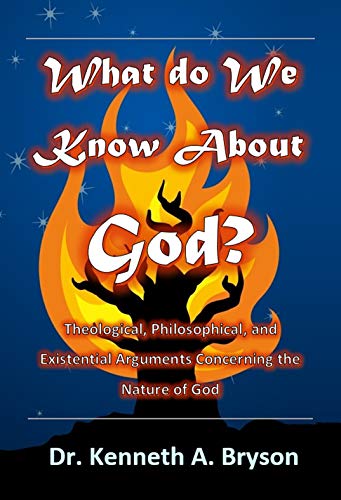
What Do We Know About God? Theological,
Philosophical, and Existential Arguments Concerning the Nature of God. Dr.
Kenneth A. Bryson. 206 Pages. ISBN:
979-8665332376.
There are few subjects known to
mankind that has drawn more interest, exploration, and publication than the
nature of God and our relationship to Him as human beings. Many approaches
to the study stand wholly on a platform of religious doctrine and dogma.
Other approaches are secular in nature and rely solely on rational and
philosophical arguments. Dr. Ken Bryson brings to the field an approach that
applies a balance between these two extremes. As a Christian, Ken bases his
arguments in biblical theology and then builds upon this foundation with
reason and philosophy drawn from many of the most prominent thinkers in both
ancient and modern history. Paperback:
$12.29 from Amazon.com.
Free Preview. Kindle:
$5.75
|
|
|
Light in a Once-Dark World: Contemporary Issues in
Nigerian Christianity. Dr. John W. (Jack) Carter, Editor.
416 Pages. ISBN: 979-8650163336.
Once considered by global Christianity as the “Dark Continent”, Africa has seen
dramatic growth in the Christian faith among its many people groups. However,
this growth has come with no few challenges as the truths of the Gospel of God’s
grace and love for His people face a diversity of pagan and tribal cultures with
well-established systems of belief. The contributors to this book each provide
insight into these challenges as they address a wide variety of social issues
that are impacting the efforts by faithful believers to bring the Good News to
people who are seeking peace midst a great deal of social turmoil. Much of the
work of African Christian evangelism is taking place in Nigeria, and the
pastors, theologians, and seminary students who have been selected for this text
offer their experience and knowledge with the intention of addressing many of
the issues facing the Nigerian Christian Churches. Paperback: $15.99 from Amazon.com
Kindle:
$5.79 from Amazon.com.
Free Preview.
|
|
|
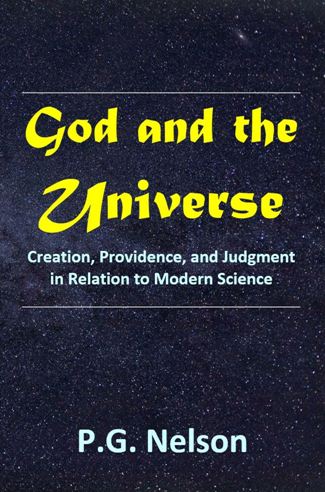
God and the Universe. Dr. Peter G. Nelson. 125 Pages. ISBN: 979-8620856626.
A significant tension exists between the modern scientific picture of the
universe and the Biblical one. On the standard scientific picture, the universe
started in a ‘Big Bang’ ‒ the explosion of a speck of highly concentrated matter
14 billion years ago. According to the Bible, God created the universe in six
days about ten thousand years ago. On the scientific picture, the universe has
evolved and continues to develop under the operation of fixed laws and chance.
According to the Bible, God acts in the universe in providence and judgment,
human beings are responsible for their actions, and the Devil plays a part too.
This book seeks to resolve these tensions by presenting a new way of reconciling
the Bible and modern science.The author is a scientist, writer, and lay preacher
at in East Yorkshire, UK. Paperback: $10.59 from Amazon.com
Kindle:
$5.79 from Amazon.com.
Free Preview.
|
|
|
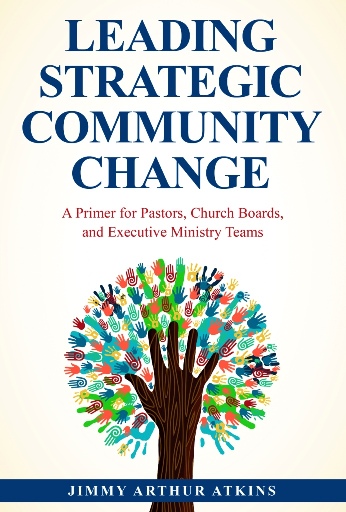
Leading Strategic Community Change. Dr. Jimmy Arthur
Atkins. 114 Pages. ISBN: 978-1070140728.
Leading Strategic Community Change explores the dynamics of leadership and
strategic community change for churches and faith-based organizations. In doing
so, it incorporates principles and practices from the fields of strategic
planning, leadership, and organizational development. At the end of chapters
there are exercises designed to reinforce the concepts discussed in the chapter.
The appendices also include activities for churches and faith-based
organizations to use with their congregations, boards, and executive ministry
teams to develop a more effective plan for engaging the community in social and
economic change. This book is based on the fundamental belief that churches and
faith-based organizations are often closest to the needs of the poor and
disenfranchised, but often lack the capital, human and financial, to implement
community-based initiatives that lead to lasting change. However, if given the
knowledge and expertise, churches and faith-based organizations can transform
their surrounding communities and restore a sense of hope and renewal. Paperback: $9.99 from Amazon.com
Kindle:
$5.79 from Amazon.com.
Free Preview.
|
|
|
Light in a Once-Dark World: Contemporary Issues in
Nigerian Christianity, Volume 1. 413 Pages. ISBN: 978-1070140728.
Once considered by global Christianity as the “Dark Continent”, Africa has seen
dramatic growth in the Christian faith among its many people groups. However,
this growth has come with no few challenges as the truths of the Gospel of God’s
grace and love for His people face a diversity of pagan and tribal cultures with
well-established systems of belief. The contributors to this book each provide
insight into these challenges as they address a wide variety of social issues
that are impacting the efforts by faithful believers to bring the Good News to
people who are seeking peace midst a great deal of social turmoil. Much of the
work of African Christian evangelism is taking place in Nigeria, and the
pastors, theologians, and seminary students who have been selected for this text
offer their experience and knowledge with the intention of addressing many of
the issues facing the Nigerian Christian Churches.Paperback: $15.99 from Amazon.com
Kindle:
$5.79 from Amazon.com.
Free Preview.
|
|
|
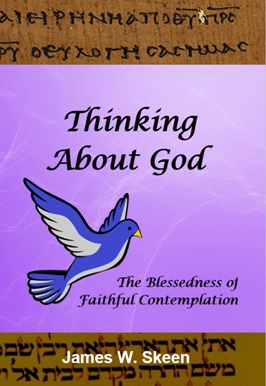
James W. Skeen. Thinking About God: The Blessedness
of Faithful Contemplation. 271 Pages. ISBN: 978-1071126752.
This book seeks
to show the reader that "new life" is new in quality and capacity not just new
in time and that a sixth need, blessedness, should be added to William Glasser's
Choice Theory so that a more complete view of human functioning can be
understood. The author also seeks to demonstrate the mean or 'middle way' view
of virtue or moral excellence and the innate human needs and how important it is
to the Christian life and the growth of Christ-likeness in us.
$14.79 from Amazon.com
Kindle:
$5.79 from Amazon.com.
Free Preview.
|
|
|
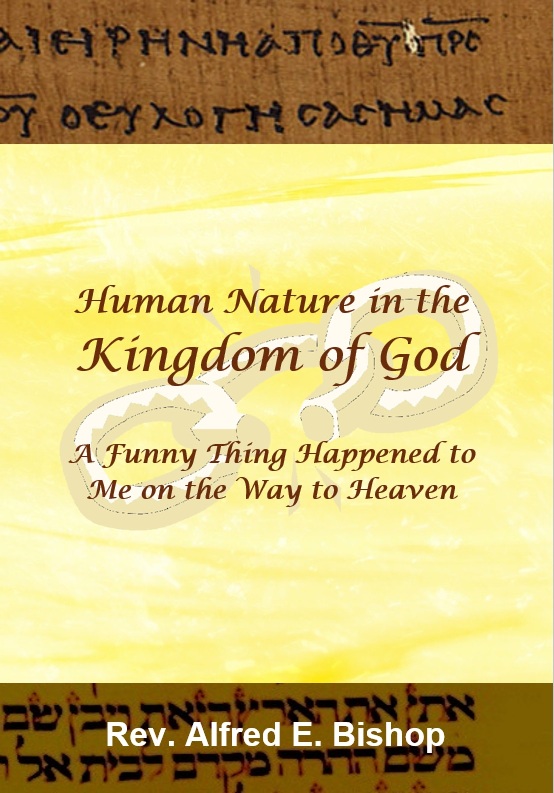
Rev. Alfred E. Bishop. Human Nature in the Kingdom of
God: A Funny Thing Happened to Me on the Way to Heaven.
The American Journal
of Biblical Theology.
393 Pages. ISBN: 978-1098789671
The wit and wisdom of Pastor
Al Bishop will bring to mind loads of stories of your own about the complicated
joy of ministering in our Lord’s Church to His people. But most of all, it will
also help new and seasoned pastors, lay leaders and God’s Church to relax and be
able to laugh at the strange things that happen in their congregations on their
way to heaven as well. Dr. Walter C. Kaiser, Jr. President Emeritus,
Gordon-Conwell Theological Seminary.
$13.39 from Amazon.com
Kindle:
$5.79 from Amazon.com.
Free Preview.
|
|
|
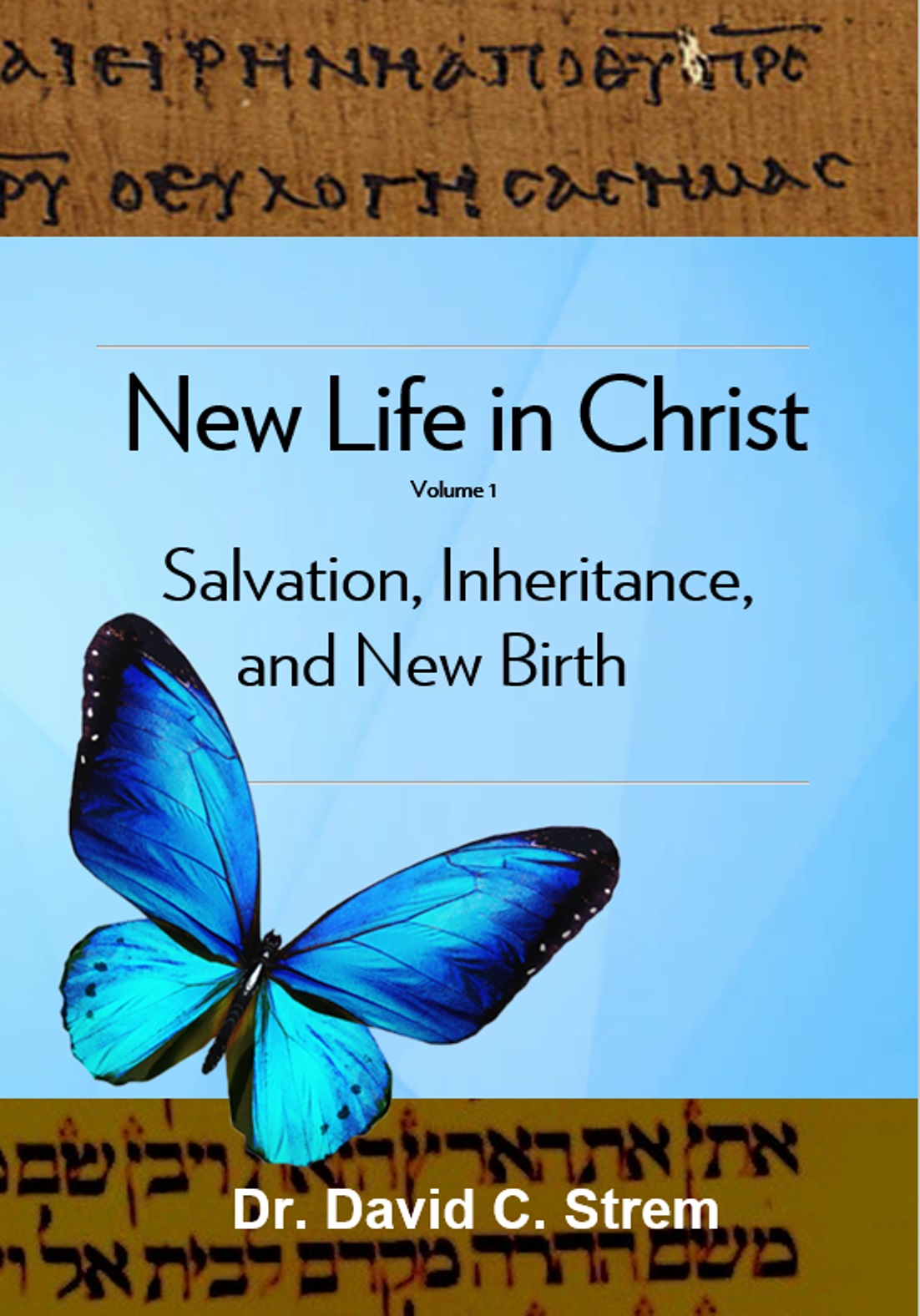
Dr. David C. Strem. New Life in Christ, Vol 1.:
Salvation, Inheritance, and New Birth.
The American Journal
of Biblical Theology. 333 Pages. ISBN: 978-1093481365
New Life in Christ is a
four-volume anthology of the writings and sermons written and presented by Dr.
Strem during his many years in pastoral ministry. These volumes present the
breadth of Christian theology in a personal and informal manner that serves to
address the application of Christian faith in daily life. Written during a time
when there is a great need for discipleship in the community of Christian faith,
Dr. Strem addresses that need by organizing the material in a manner that may be
used both as a reference text on theological subjects and for instruction in
Christian living.
$14.79 from Amazon.com
Kindle:
$5.79 from Amazon.com.
Free Preview.
|
|
|
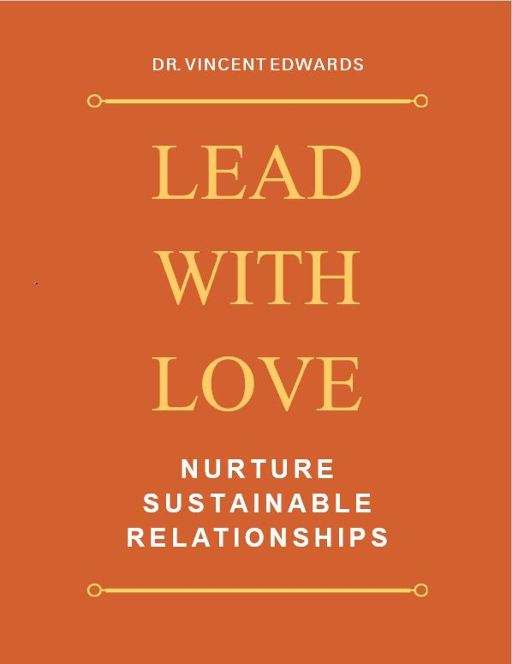
Dr. Vincent Edwards. Lead with Love: Nurturing
Sustainable Relationships.
The American Journal
of Biblical Theology. 71 Pages. ISBN: 978-1796857511
This study examines Christian
Scripture and proposes the Biblical Text as the source for understanding and
implementing values for individuals to build long-term trust-based relationships
with others. Those who implement these values in their daily life are more
likely to have the cultural agility needed to recognize and effectively deal
with the societal-cultural influences that affect their organization’s culture.
Societal culture influences an individual’s cognitive processes and style of
leadership.
$9.99 from Amazon.com
Kindle:
$5.49 from Amazon.com.
Free Preview.
|
|
|
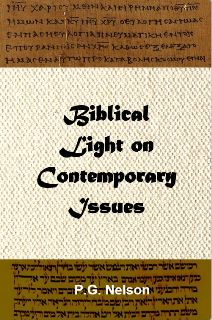
Dr. Peter G. Nelson. Biblical
Light on Contemporary Issues. The American Journal of Biblical
Theology. 205 Pages. ISBN: 978-1728884011
Evangelical Christians in
the West today face many difficult issues. Some of these arise from
influences both within and without the Evangelical Christian community.
Inside this community there is the Charismatic Movement with its
emphasis on the Holy Spirit, spiritual gifts, and healing, and Reformed
Theology, with its emphasis on God’s sovereignty and grace. Outside this
community, secular society promotes evolution, feminism, and liberal
values. These influences raise many difficult questions. The
author seeks insight into these issues based on the Bible. Each chapter
is devoted to one issue, and can be read independently of other
chapters. The author has translated Biblical texts as literally as
Hebrew or Greek and English idiom will allow.
Paperback:
$12.29
from Amazon.com Kindle:
$5.99 from Amazon.com.
Free Preview.
|
|
|
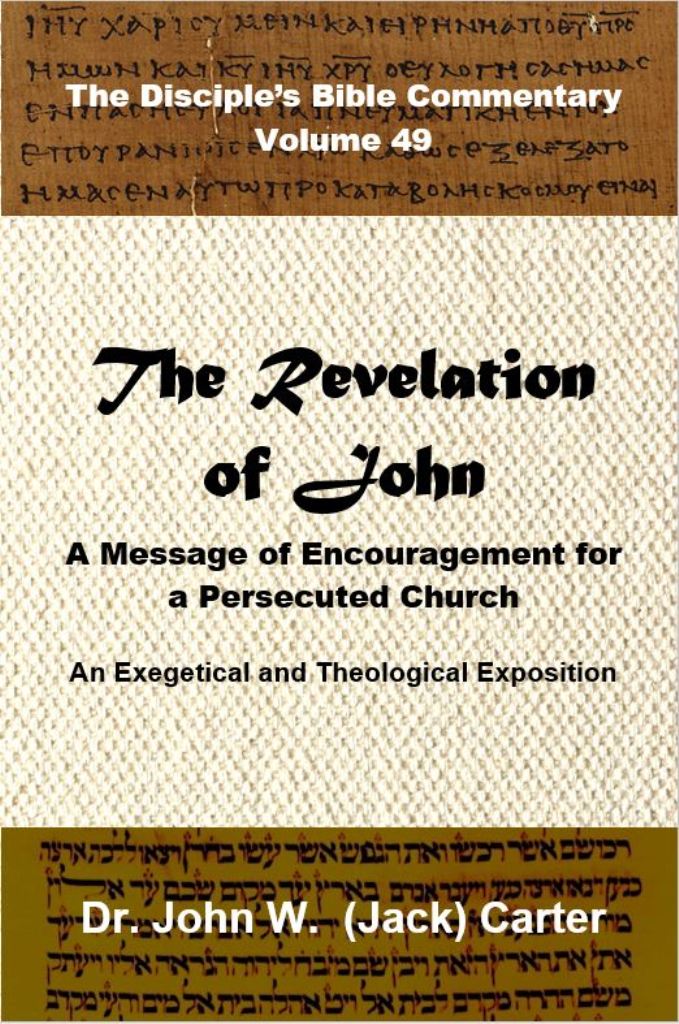
Jack Carter. The
Revelation of John: A Message of Encouragement for a Persecuted Church.
The American Journal of Biblical Theology. 505 Pages. ISBN:
9781976959622
An Exegetical and Theological Exposition
of the Scriptures. Walk through the Revelation of John, verse-by-verse,
observing the Gospel presented in Apocalyptic form as John paints seven
beautifully vibrant and picturesque vignettes that describe God's
purpose of grace for mankind. Written to be easily read, but at the same
time containing an in-depth treatment of John's theology as he presents
each point with literary mastery. The text is organized into 26
chapters, each useful for a 30-minute personal study, or an hour group
study. A "very powerful, combining the fruits of scholarship within the
context of faith." Dr. John Roskowski.
$18.99 from Amazon.com
|
|
|
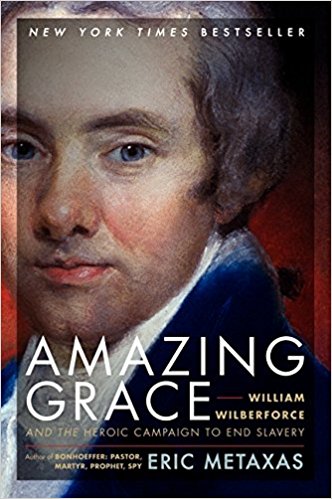
Eric Metaxas.
Amazing
Grace: William Wilberforce and the Heroic Campaign to End Slavery.
Penguin/Random House. 480 Pages. ISBN: 9781101980019
Metaxis tells the story of the remarkable
life of the British abolitionist William Wilberforce (1759-1833). This
biography chronicles Wilberforce's extraordinary role as a human rights
activist, cultural reformer, and member of Parliament. At the center of
this heroic life was a passionate twenty-year fight to abolish the
British slave trade, a battle Wilberforce won in 1807, as well as
efforts to abolish slavery itself in the British colonies, a victory
achieved just three days before his death in 1833. Metaxas discovers in
this unsung hero a man of whom it can truly be said: he changed the
world. This account of Wilberforce's life will help many become
acquainted with an exceptional man who was a hero to Abraham Lincoln and
an inspiration to the anti-slavery movement in America..
$19.00 from Amazon.com
|
|
|
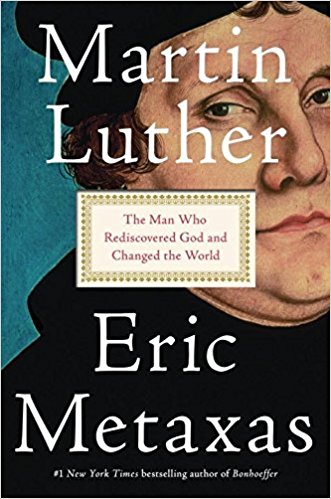
Eric Metaxas.
Martin Luther. the Man Who Rediscovered God and Changed the World,
Penguin/Random House. 480 Pages. ISBN: 9781101980019
On All Hallow’s Eve in 1517, a young monk
named Martin Luther posted a document he hoped would spark an academic
debate, but that instead ignited a conflagration that would forever
destroy the world he knew. Five hundred years after Luther’s now famous
Ninety-five Theses appeared, Eric Metaxas paints a startling portrait of
the wild figure whose adamantine faith cracked the edifice of Western
Christendom and dragged medieval Europe into the future. Written in
riveting prose and impeccably researched, Martin Luther tells the
searing tale of a humble man who, by bringing ugly truths to the highest
seats of power, caused the explosion whose sound is still ringing in our
ears. Luther’s monumental faith and courage gave birth to the ideals of
liberty, equality, and individualism that today lie at the heart of all
modern life.
$19.99 from Amazon.com
|
|
|
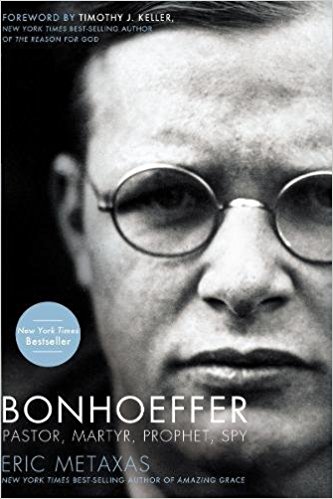
Eric Metaxas.
Bonhoeffer, Pastor, Martyr, Prophet, Spy, Thomas Nelson
624 Pages. ISBN: 9781595552464
As Adolf Hitler and the Nazis seduced a
nation, bullied a continent, and attempted to exterminate the Jews of
Europe, a small number of dissidents and saboteurs worked to dismantle
the Third Reich from the inside. One of these was Dietrich Bonhoeffer—a
pastor and author. In this New York Times best-selling biography, Eric
Metaxas takes both strands of Bonhoeffer’s life—the theologian and the
spy—and draws them together to tell a searing story of incredible moral
courage in the face of monstrous evil. Metaxas presents the fullest
accounting of Bonhoeffer’s heart-wrenching decision to leave the safe
haven of America to return to Hitler’s Germany, and sheds new light on
Bonhoeffer’s involvement in the famous Valkyrie plot and in “Operation
7,” the effort to smuggle Jews into neutral Switzerland. In a deeply
moving narrative, Metaxas uses previously unavailable documents
including personal letters, detailed journal entries, and firsthand
personal accounts to reveal dimensions of Bonhoeffer's life and theology
never before seen.
$19.99 from Amazon.com
|
|

|
Ian E. Rock.
Paul’s Letter to the Romans and Roman Imperialism An Ideological Analysis of the
Exordium (Romans 1:1-17) James Clark & Co.
171 Pages. ISBN: 9780227176450
Ian E. Rock
demonstrates that the Letter to the Romans may be seen as an attempt by
a subordinate group to redress actual and potential issues of
confrontation with the Emapire and to offer hope, even in the face of
death. Paul demonstrates that it is God's peace and not Rome's peace
that is important; that loyalty to the exalted Jesus as Lord and to the
kingom of God - not Jupiter and Rome - leads to salvation; that grace
flows from Jesus as Christ and Lord and not from the benefactions of the
Emperor. If the resurrection of Jesus - the crucified criminal of the
Roman Empire - demonstrates God's power over the universe and death, the
very insturment of Roman control, then the CHrist-believer is encouraged
to face suffering and death in the hope of salvation through this power.
Paul's theology emerges from, and is inextricably bound to, the politics
of his day, the Scriptures of his people, and to the critical fact that
the God who is One and Lord of all that is still in charge of the world.
$50.00
from Amazon.com
|
|
|
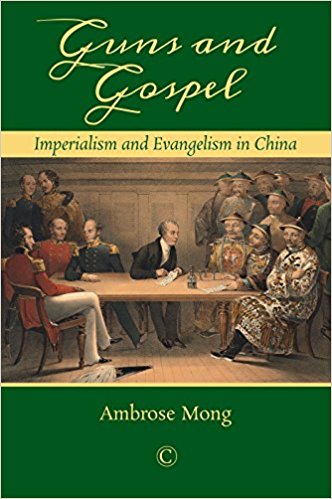
Ambrose Mong.
Guns and Gospel: Imperialism and Evangelism in China James Clark & Co.
171 Pages. ISBN:
9780227176252
During
the nineteenth century, Christian missionaries vied for the Chinese
souls they thought they were saving. But many things held them back:
Western gunboat diplomacy, unequal treaties and their own prejudices,
which increased hostility towards Christianity. ‘One more Christian, one
less Chinese,’ has long been a popular cliché in China. Guns and Gospel
examines the accusation of ‘cultural imperialism’ levelled against the
missionaries and explores their complex and ambivalent relationships
with the opium trade and British imperialism. Ambrose Mong follows key
figures among the missionaries, such as Robert Morrison, Charles
Gützlaff, James Hudson Taylor and Timothy Richard, uncovering why some
succeeded where others failed, and asks whether they really became
lackeys to imperialism.
$50.00
from Amazon.com
|
|
|
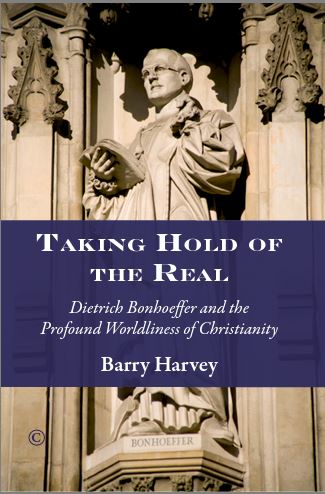
Barry Harvey.
Taking Hold of the Real Dietrich Bonhoeffer and the Profound Worldliness of
Christianity James Clark & Co. 301 Pages. ISBN:
9780227175972
Dietrich
Bonhoeffer writes in one of his last prison letters that he had “come to
know and understand more and more the profound this-worldliness of
Christianity”. In Taking Hold of the Real, Barry Harvey engages in
constructive conversation with Bonhoeffer, contending that the “shallow
and banal thisworldliness” of modern society is ordered to a significant
degree around the social structures of religion, culture, and race.
These mechanisms displace human beings from their traditional
connections with particular locales, and relocate them in their “proper
places” as determined by the nation-state and capitalist markets. An
insightful exploration of the theology of Dietrich Bonhoeffer and its
ongoing relevance for an authentically Christian engagement with the
world.
$43.00
from Amazon.com
|
|
|
Theodore R. Weber.
War, Peace, and Reconciliation: a Theological Inquiry
The Lutterworth Press. 160 Pages. ISBN: 9780718894450
War,
Peace, and Reconciliation invites Christians and their churches into a
dialogue regarding how to think about war from a standpoint rooted in
faith. It asks how reconciliation, which is central to Christian life
and doctrine, can engage with the realities of war without surrendering
its fundamental affirmations. Theodore Weber defines these realities
politically by discussing the meanings of power, peace as a particular
organisation of power, and the international system. The study of war
and politics is unavoidable, as is engagement with reconciliation,
because all human activity exists in the context of the gracious work of
God to renew and reconcile the fallen creation. Weber’s inquiry is
theocentric and christocentric. It culminates in a stirring call to
churches to examine all their practices in the light of this perspective.
$24.00
from Amazon.com
|
|
|
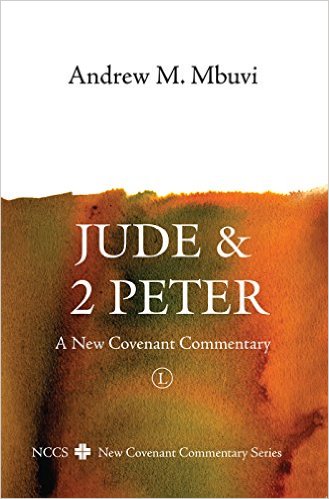
Andrew M. Mbuvi.
Jude & 2 Peter: A New Covenant Commentary
The Lutterworth Press. 340 Pages. ISBN: 9780718894450
A
thorough and extensive textual and contextual analysis, Jude & 2 Peter
presents the epistles within the setting of first-century Greco-Roman
associations, highlighting both similarities and differences between
these fledgling religious groups and the more established guilds. Mbuvi
interprets the Epistles from his own translations and thus provides a
fresh and unique take on the well documented themes raised. Addressing
concerns relevant to the Global Church, especially issues outside the
Western world, Jude & 2 Peter provides a distinctive analysis of these
two books, perhaps the least-read in the New Testament.
$30.00
from Amazon.com
|
|
|
Victor I. Ezigbo.
Introducing Christian Theologies: Voices from Global Christian Communities,
Volume 2
The Lutterworth Press. 340 Pages. ISBN: 9780718894450
For too
long African, Asian, and Latin American theologians have been left out
of mainstream theological discussions. Few standard textbooks on
Christian theology acknowledge the unique contributions theologians from
these continents have made to global Christianity. Consistent with
the international flavor of The American Journal of Biblical Theology,
Introducing Christian Theologies explores the works of key
international theologians, highlighting their unique contributions to
Christian theology and doctrine.
$50.00
from Amazon.com
|
|
|
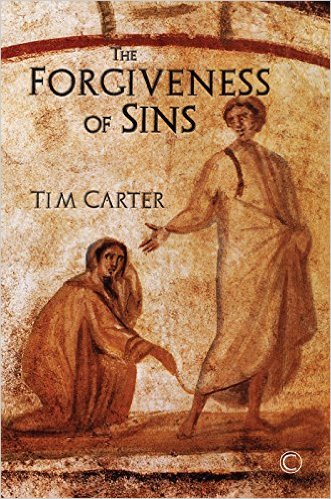
Tim Carter.
The Forgiveness of Sins. James Clark & Company. 209 Pages. ISBN:
9780227176054
In The
Forgiveness of Sins , Tim Carter examines the significance of
forgiveness in a New Testament context, delving deep into second-century
Christian literature on sin and the role of the early church in
mitigating it. This crucial spiritual issue is at the core of what it
means to be Christian, and Carter’s thorough and erudite examination of
this theme is a necessity for any professional or amateur scholar of the
early church. The Forgiveness of Sins is a painstaking, clear-eyed
exploration of what forgiveness meant not only to early Christians such
as Tertullian, Irenaeus and Luke, but to Jesus himself, and what it
means to Christians today.
$55.00
from Amazon.com
|
|
|
Beáta Tóth.
The Heart Has its Reasons James Clark & Company. 209 Pages. ISBN:
9780227175873
The
Heart Has Its Reasons explores a hitherto neglected area of
theological anthropology: the unity of human emotion and reason embodied
in the Biblical concept of the heart. While the theological contours of
human rationality have long been clearly drawn and presented as the
exclusive seat of the image of God, affectivity has been relegated to a
secondary position. In conversation with patristic and medieval authors
like Irenaeus, Tertullian, Gregory of Nyssa, Maximus, and Thomas
Aquinas, and in dialogue with more recent interlocutors such as Blaise
Pascal, Ricoeur, Marion, Milbank, and John Paul II, this text pursues a
novel theological vision of the essential unity of our humanity..
$33.00
from Amazon.com
|
|
|
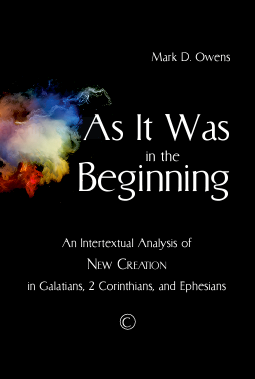
Mark D. Owens.
As it Was in the Beginning: and Intertextual Analysis of New Creation in
Galatians, 2 Corinthians, and Ephesians James Clark & Company. 209 Pages. ISBN: 9780227176016
The
meaning of Paul’s comments about the new creation in 2 Corinthians 5:17
and Galatians 6:15 has long been obscured. Debate has raged for years,
with some arguing that the phrase “new creation” solely refers to the
inward transformation believers have experienced through faith in Jesus
Christ, and others that this phrase should be understood cosmologically
and linked with Isaiah’s “new heavens and new earth”. Still more
advocate an ecclesiological interpretation of this phrase that centres
Paul in the new community formed around Jesus Christ. In As It Was in
the Beginning , Mark Owens argues that the concept of “new creation”
should be understood within the realm of Paul’s anthropology, cosmology,
and ecclesiology. Paul’s understanding of new creation belongs within an
Urzeit-Endzeit typological framework, especially within 2 Corinthians
5-6 and Ephesians 1-2. Owens’s reading of “new creation” gives due
weight to the use of Isaianic traditions in Paul’s letters, and
demonstrates that the vision of new creation in 2 Corinthians and
Galatians is in striking harmony with that of Ephesians.
$37.00 from Amazon.com
|
|
|
Kim Huat Tan.
Mark:
A New Covenant Commentary The Lutterworth Press. 286 Pages.
ISBN: 9780718894238
Believing
that the needs of beleaguered Christian communities in turbulent times
would be best met by resourcing the life of Jesus, Mark wrote a Gospel
that was at once plain and subtle, fast-paced and yet profound. He
clarified the essence of being a follower of Jesus, so that these
communities might differentiate the essential from the trivial and be
fortified in their testimony to the one, true Gospel. In his important
new commentary Kim Huat Tan expounds the artistry of Mark in achieving
all this in its original setting, by focusing on the larger picture of
themes and thrusts, paragraphs and plot, but without dodging important
issues of interpretation. Following in the footsteps of his Gospel, Mark
attempts to bridge the horizons between then and now, and show how it is
still a powerful resource for being a disciple of Jesus today.
$40.00
from Amazon.com
|
|
|
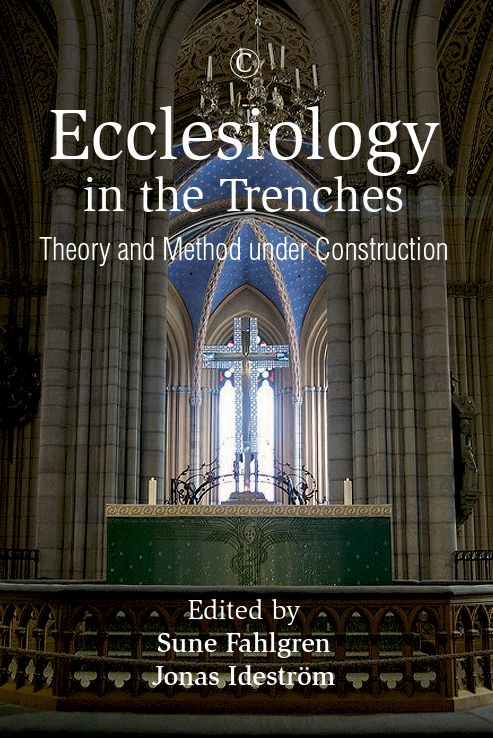
Sune Fahlgren and Jonas Idestrom.
Ecclesiology in the Trenches: Theory and Method Under Construction
James Clarke, & Co. 219 Pages. ISBN: 9780227175774
This book takes the reader into
the trenches of ecclesiological research where the actual work of reading,
writing, interpreting, and analyzing is being done. Ecclesiology is dealt with
as a systematic, empirical, historical, and liturgical discipline. Essays
explore theology in South Africa as shaped by apartheid, liturgical theology,
the diaconate in an ecumenical context, Free Church preachership, suburban
ecclesial identity, medieval church practices, liturgical texts, church floor
plans, and ecclesiology as a gendered discipline.
$37.00 from Amazon.com
|
|
|
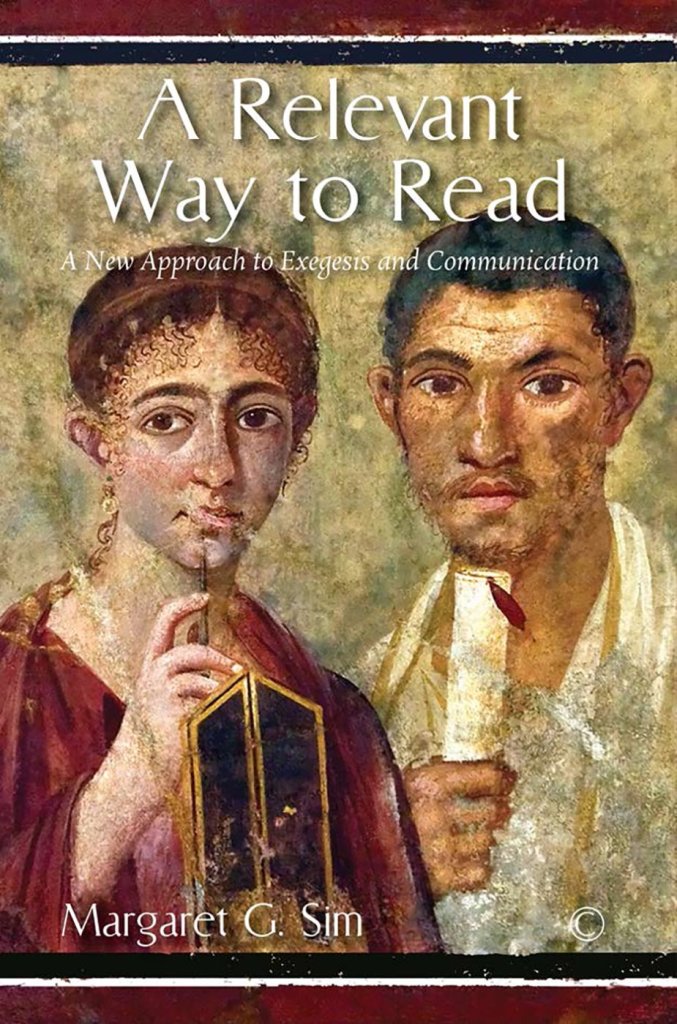
Margaret G. Sim.
A Relevant Way to Read: A New Approach to Exegesis and Communication
James Clarke, & Co. 177 Pages. ISBN: 9780227174425
In A Relevant Way to Read , Margaret G. Sim draws on her in-depth knowledge of New Testament Greek to forge a new
exegesis of the Gospels and Paul’s letters. Locating her studies in the
linguistic concept of relevance theory, which contends that all our utterances
are laden with crucial yet invisible context, Sim embarks on a journey through
some of the New Testament’s most troubling verses. Here she recovers lost
information with a meticulous analysis that should enlighten both the
experienced scholar and the novice. Whether discussing Paul’s masterful use of
irony to shame the Corinthians, or introducing the ground-breaking ideas behind
relevance theory into a whole new field of study, the author demonstrates her
vast learning and experience while putting her complex subject into plain words
for the developing student.
$35.00 from Amazon.com
|
|
|
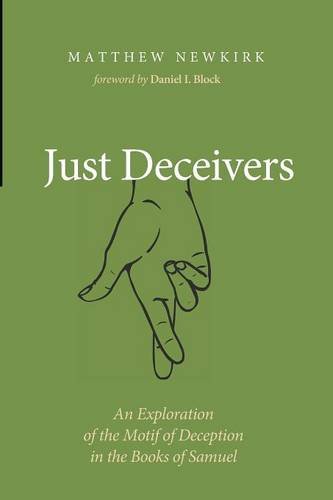
Matthew Newkirk.
Just Deceivers: An Exploration of the Motif of Deception in the Books of Samuel.
James Clarke, & Co.. 177 Pages. ISBN: 9780227175507
Is it ever right to lie? Does the Bible
allow us to deceive? These are perennial questions that have been discussed and
debated by theologians for centuries with little consensus. Entering this
discussion, Just Deceivers provides a fresh analysis of this important topic
through a comprehensive examination of the motif of deception in the books of
Samuel. While many studies have explored deception in other Old Testament
texts―especially the patriarchal narratives of Genesis―and a few articles have
initiated examination of this motif in Samuel, Just Deceivers builds upon this
groundwork and offers an exhaustive treatment of this theme in an important
portion of the Hebrew Bible. Newkirk takes the reader through the books of
Samuel, investigating every occurrence of deception in the narrative and
exploring how the author depicts these various acts of deception, and then
synthesises the results to offer an exegetically based theology of deception. In
so doing, this study both challenges commonly held views concerning the Bible's
stance on falsehood and illustrates the importance of attending to the
sophisticated literary character of biblical narrative.
$9.99epub/$36.50hc from Amazon.com
|
|
|
Walter Brueggemann.
The Role of Old Testament Theology in Old Testament Interpretation.
James Clarke, & Co.. 177 Pages. ISBN: 97807227175453
This collection of essays is
drawn from a series of previous collections to which the author has contributed
that were designed to honor senior scholars in the discipline of Old Testament
study. Each of these essays reflects a distinct intention depending on the
nature of the original collection in which they appeared and the scholar who was
being honored. Taken together, however, this collection amounts to an
articulation of Brueggemann's distinctive approach to theological interpretation
of the Old Testament. Already in his major volume on Old Testament theology,
Brueggemann proposed a dynamism of tension, dispute, and contradiction as the
text of ancient Israel sought to give voice to the mystery of God as a
sustaining and disruptive agent in the life of the world. Over a long period of
time, this collection reflects the author's growing clarity about the task of
Old Testament theology. It further reflects on the nature of the biblical text
and the way in which the God who inhabits the text runs beyond all of our
attempts to define and explain. These essays reflect not so much on
methodological issues, but take up the substantive questions that regularly
occupied these ancient text-makers.
$30.00 from Amazon.com
|
|
|
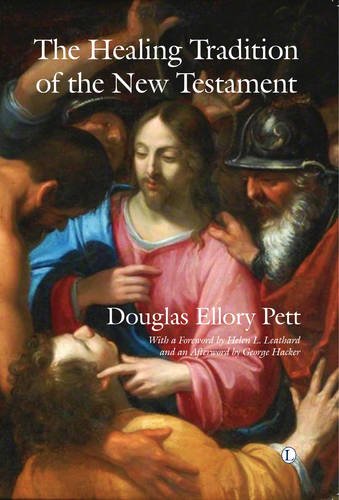
Douglas Ellory Pett.
The
Healing Tradition of the New Testament. The Lutterworth Press.
181 Pages. ISBN: 9780718893873
Over the last twenty years there
has been a great surge of interest in the healing ministry, yet this ferment of
activity seems not to have been matched by an equally fresh or energetic study
of healing in the New Testament, which ostensibly forms the basis, and is still
claimed as supplying the inspiration for the revival of this ministry.
This work is the first, serious, critical study of healing in the New Testament
as a discrete subject. It's purpose is to arrive at a clearer
understanding of what Scripture actually tells us about healing, not what we
imagine it says, but what the sacred authors actually wrote, and more to the
point, what they meant by what they wrote.
$39.00 from Amazon.com
|
|
 |
Tricia Miller, (May 2015).
Jews and Anti-Judaism in Esther and the Church
James Clark, LTD. 224 Pages. ISBN:
9780227174470
A careful study of the book
of Esther and its anti-Jewish interpretations in the Church. By placing
the book of Esther in the context of politics and hermeneutics that are filled
with Jewish resistance to attempted genocide, Tricia Miller address the history
of Christian anti-Judaism, the errors of replacement theology and anti-Zionism
as the new anti-Judaism. It addresses the encouraging pattern of
cooperation and support between Christians and Jews that developed over recent
times. Purchase at:
Half.com. $8.49
|
|
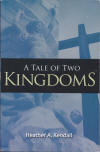 |
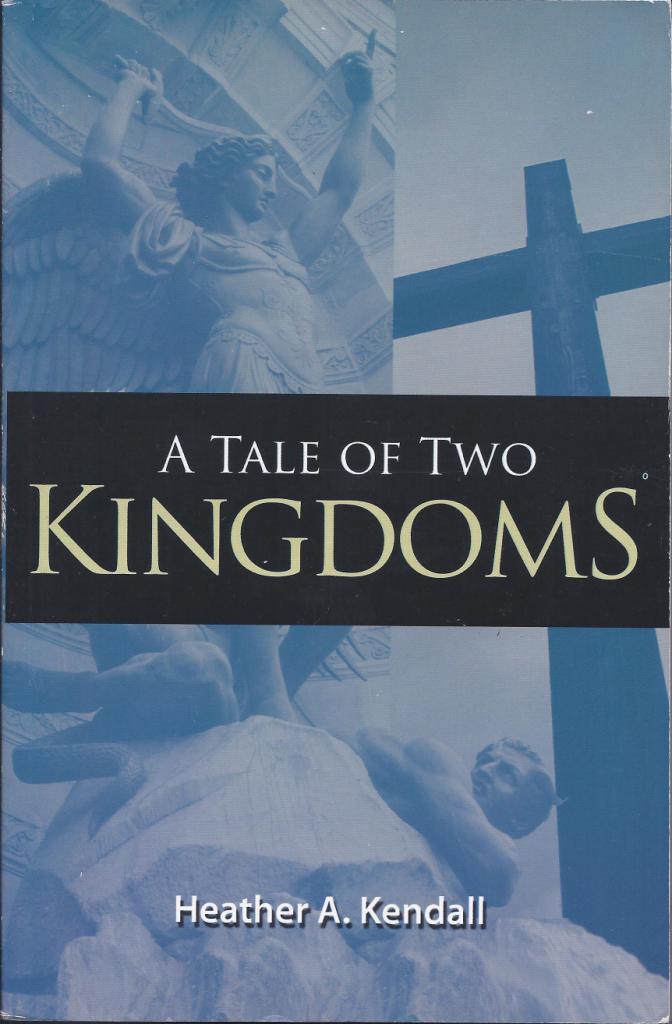
Heather Anne Kendall, (2006)
A Tale of Two Kingdoms
Ontario, Canada: Essence Publishing. 427 Pages. ISBN
155452003-7
"A great tool to assist the keen Bible student, A Tale of Two Kingdoms
carefully traces the unfolding history of salvation described in the Holy
Scriptures as it presents the antagonism between the kingdom of Christ and the
kingdom of Satan. Over the centuries the physical gives way to the
spiritual and Christ and His church are presented as the fulfillment of
prophesy. Finally, the kingdom which is not of this world, appears in
apocalyptic vision to defeat the kingdom of darkness. The author details
what went on in the silent years between the testaments. She concludes
with the eschatological views of representative Apostolic Fathers." Dr. G.A. Adams, former Principal of Toronto Baptist Seminary and Bible College. Purchase at:
Half.com. $8.49,
|
|
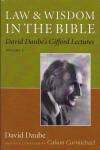 |
Calum Carmichael, Ed., (2010)
Law and Wisdom in the Bible
West Conshohocken, PA: Templeton Press.
201 Pages. ISBN 978-1-59947-345-1
"That over forty years after they were delivered, these famous but
unavailable Gifford Lectures should be published as occasion for celebration.
Once again, we hear Daube's voice, patient and probing, as he turns over, as he
tests, as he pushes fresh inquiries, and as he finds new insights. No man
has had such a subtle sense of scriptural texts matched by such a supple sense
of the practices and particularities of human beings engaged in the legal
process. Law and Wisdom in the Bible, is classic Daube." John
T. Noonan Jr. United States Circuit Judge. Purchase at:
Templeton Press. $39.96
|
|
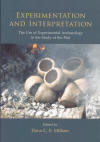 |
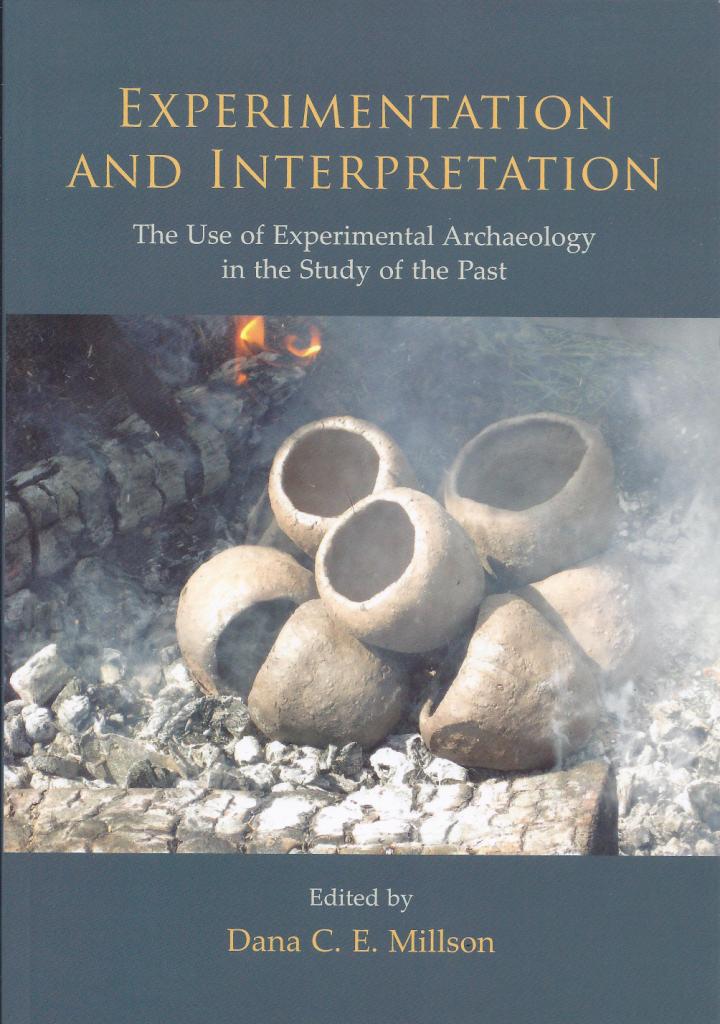
Dana C.E. Millson, Ed., (2011)
Experiment and Interpretation: The Use of Experimental Archaeology in
the Study of the Past.
Oxford, UK: Oxbow Books. 142 Pages.
ISBN 978-1-84217-399-2
"Experimental archaeology is today
forging new links between archaeological scientists and theorists.
Many of the best archaeological projects today are those which use
methodology and interpretation from both the sciences and the arts.
The papers presented here reflect this interdisciplinary approach and
focus on the sites and material culture spanning from the Mesolithic to
the Late Medieval periods. They range from the history of
experimentation in archaeology and its place within the field
today, to the theory behind "the experiment", to several projects which
have used controlled experimentation to test hypotheses about
archaeological remains, past actions, and the scientific processes we
use." Purchase at:
Oxbow
Books. $60.00
|
|
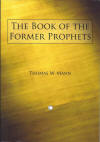 |
Thomas W. Mann, (2011)
The Book of the Former Prophets
Cambridge, UK: James Clark & Co. 423
Pages. ISBN 978-0-227-68010-0
"Having retold the first part of the Bible story of ancient Israel in his
acclaimed The Book of the Torah, Thomas Mann now presents the second half
with critical and theological acumen. The difficult themes and pictures
are not glossed over, but Mann's rich interpretive retelling opens up avenues
into contemporary appropriation of this story, on which, for better or for
worse, the Christian community is grounded." Patrick D. Miller, Princeton
Theological Seminary. Purchase at:
Amazon.com $60.00
|
|
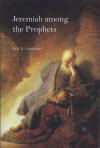 |
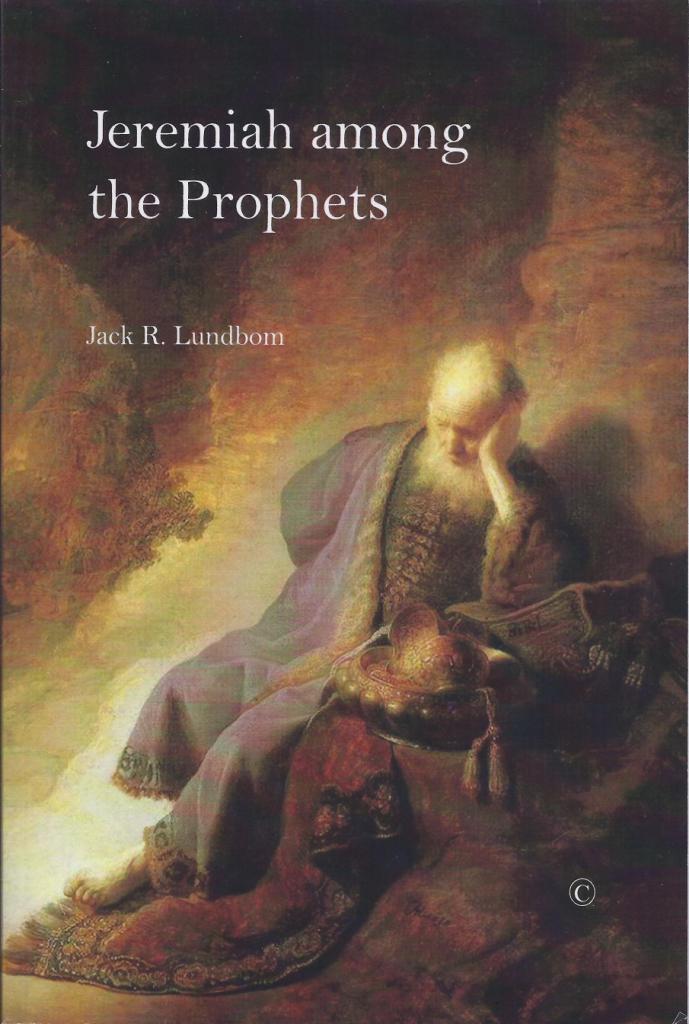
Jack R. Lundbom, (2013)
Jeremiah Among the Prophets
Cambridge, UK: James Clark & Co. 141 Pages. ISBN
978-0-227-17407-4
"Jack R. Lundbom makes a careful study of Jeremiah from chapter one to fifty
one, with an accessible but comprehensive interpretation of the book, analysis
of the life of the prophet, and consideration of the context of the Old
Testament. Lundborn sets out careful exposition of key issues. The
dreams and prophecies of Jeremiah are examined with an astute eye for signature
rhetorical and textual devices; this is taken with a view of the lamentations
found within the book of Jeremiah, which earned Jeremiah the nickname of "The
Weeping Prophet." The work of ancient scribes and scribal practices are
shown to have contributed to the transmission of Jeremiah's wisdom to the
present, helping us to understand the nature of the text and prophet."
Walter Brueggemann, Columbia Theological Seminary.
Purchase at:
Amazon.com $35.00
|
|
 |
C. Athanasopoulos and C. Schneider, Ed., (2013)
Divine Essence and Divine Energies
Cambridge, UK: James Clark & Co. 288 Pages. ISBN
978-0-227-17386-2
"A composite book of essays by ten scholars, Divine Essence and Divine
Energies provides a rich repository of diverse opinion about the
essence-energy distinction in Orthodox Christianity - a doctrine which
lies at the heart of the often fraught fault lines between East and West
and which, in this book, inspires a lively dialogue between the
contributors. A valuable addition to the dialogue between Eastern
and Western Christianity, this book will be of great interest to any
reader seeking a rigorously academic insight into the wealth of
scholarly opinion about the essence-energy distinction."
Purchase at:
Amazon.com $50.00
|
|
Tom Holland, (2004)
Contours of Pauline Theology.
Scotland, UK: Christian Focus Publications. 382
Pages. ISBN 185792469x
Theologians have been rather hard on the apostle Paul.
Many have accused him of taking the Christian faith in a direction of his own,
changing basic teachings of Jesus to suit his own views. Tom Holland
presents a conservative, if provocative, thesis that affirms the consistency of
Paul's teaching with that of Jesus. He does so by causing the reader to
look into the mind of the Jewish Paul to understand how he views the Old
testament, his source of scripture. Holland shows how Paul's Christology
was formed from Old Testament prophesies both in the prophetic writings and in
the Jewish traditional rituals. He shows how his theology was shaped by
and formed for Jewish thought. Those who would seek to discredit Pauline
theology will appreciate Holland's scholarship and the sound arguments on Paul's
behalf. Those who ascribe to Paul as an apostle of Jesus Christ will
appreciate Holland's apologetic prowess and find Paul's Jewish hermeneutic
illuminating. This text is a must read for a serious student of Pauline
theology, and may be too technical for the casual reader. Purchase at:
Christian
Book Distributors. $16.99
|

|
George M. Marsden, (2003)
Jonathan Edwards: A
Life.
New
Haven, CT: Yale University Press. 615 Pages. ISBN 0300096933
Anyone who is a student of the life and times of Jonathan Edwards will
thoroughly enjoy and gain from this seminal work by George Marsden.
Written as a scholarly narrative, this text is a thorough exposition of the
historical setting within which Jonathan Edwards lived, and its influence on his
theology. Edwards preached during the formative years of the American
nation, and the influences on Edward's life came from both English and American
sources. Marsden digs deeply into those sources as they shape the man who
would be known as one of most influential Christian theologians of his
era. The Journal gives this text its very highest recommendation.
Thank you Mr. Marsden for such a wonderful treatise of Mr. Edwards.
Several of the Journal staff are specifically interested in the life and
theology of Jonathan Edwards, and your work has served to deepen our own
understanding of the man and his times.
Purchase at: Christian
Book Distributors. $32.99
|
|
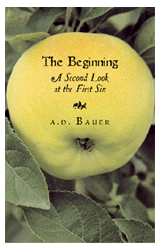
A.D. Bauer, (2004)
The Beginning: A Second Look
at the First Sin.
Baltimore, MD: Square Halo Books. 327
Pages. ISBN 0965879860
Were Adam and Eve innocent before their submission to the
consequences of their own sin, or were they inherently wicked to start
with? These and many other questions of theology and doctrine have fueled
an active debate surrounding this basic subject: the fall of man as
recorded in the Bible book of Genesis. Rev. Bauer presents a very readable
and engaging discussion on the nature and consequences of the original sin using
the biblical accounts as his primary authority. A concerted effort is made
to assure that the biblical context is maintained. Rev. Bauer not only
presents the doctrines surrounding the biblical presentation of the original
sin, but provides application in many of the facets of daily life. A sound
background in scripture, a solid presentation of his positions, and generous
application make this book a very good reference on the subject.
Purchase at:
Student
Books Online. $21.95
|
|
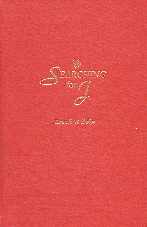
Kenneth W. Shafer, (2002)
Searching for J. Baltimore,
MD: Gateway Press, Inc. 82 Pages, with appendix. ISBN
0974745715
What are the biblical sources for text in the Old
Testament? Variant approaches to similar scriptural events suggest that
more than one source was used to create the documents. Originally
entitled, Rescuing the Documentary Hypothesis, this work attempts to
investigate the documentary hypothesis attributing more of the content of the
books to the J source, that which makes frequent reference to Jehovah, than
is heretofore considered. A brief defense is presented that asserts that the
identity of this source is identifiable, and may be female.
Following the text is a 90-page appendix that contains a table that
correlates the text of the Old Testament books in question with their
documentary sources. Mr. Shafer's defense of his hypothesis is based
upon a review of the literature and a comparison of biblical texts and
current documentary theories. This book is not written for one who is
interested in personal devotion, but rather for one who wishes to better
understand the documentary hypothesis and investigate the positions held by
modern scholars.
Purchase at: Gateway
Press, Inc.
|
|
Books to be reviewed may be
submitted to:
Dr. Jack Carter, AJBT Book Reviews
American Journal of Biblical Theology
41 Skid Strip Ln. Hayesville, NC 28904
or send electronic copies to
editor@biblicaltheology.com
|
|
|
|